Why the Prettiest House Isn’t Always the Best House for You
It’s easy to understand why we fall in love with pretty houses. You walk through the front door and everything feels right. The kitchen has beautiful countertops, the flooring looks brand new, the light fixtures are exactly your style, and the entire house is painted in colors you would have chosen yourself. Before you’ve even made it upstairs, you’re already imagining your furniture in the living room and picturing what it would be like to live there.
There’s absolutely nothing wrong with wanting a home you think is beautiful. If you prefer something move-in ready and have no interest in spending your weekends painting walls or replacing flooring, those updates have real value. But when you’re making a decision as significant as buying a home, it’s important to separate the things that make a great first impression from the things that will actually affect how well the home works for you.
Sometimes, the prettiest house isn’t the best house for you.
Look at the House Underneath the Finishes
One thing I encourage buyers to do during a showing is mentally separate the house itself from the way it has been decorated or updated. Imagine the furniture gone and the walls painted a different color. If the trendy light fixtures were replaced with basic ones and the perfectly styled rooms were completely empty, would you still be excited about the house?
That question can tell you a lot.
Paint, lighting, cabinet hardware and decor have an enormous effect on how we perceive a space, but they’re also some of the easier things to change. A floor plan that doesn’t work for you is a different story. So is a lot that’s smaller than you wanted, a bedroom that can’t comfortably fit your furniture, or a location that adds more time to your daily routine than you’d like.
That doesn’t mean you should ignore cosmetic updates or pretend renovations are free. They aren’t. Flooring, countertops, bathrooms and kitchens can be significant expenses, and those costs deserve to be considered when you’re comparing homes. The point is simply to give each feature the appropriate amount of weight.
A house that needs paint but has the layout you’ve been looking for may deserve a second look. A beautifully renovated house with a layout you already know will frustrate you might not.
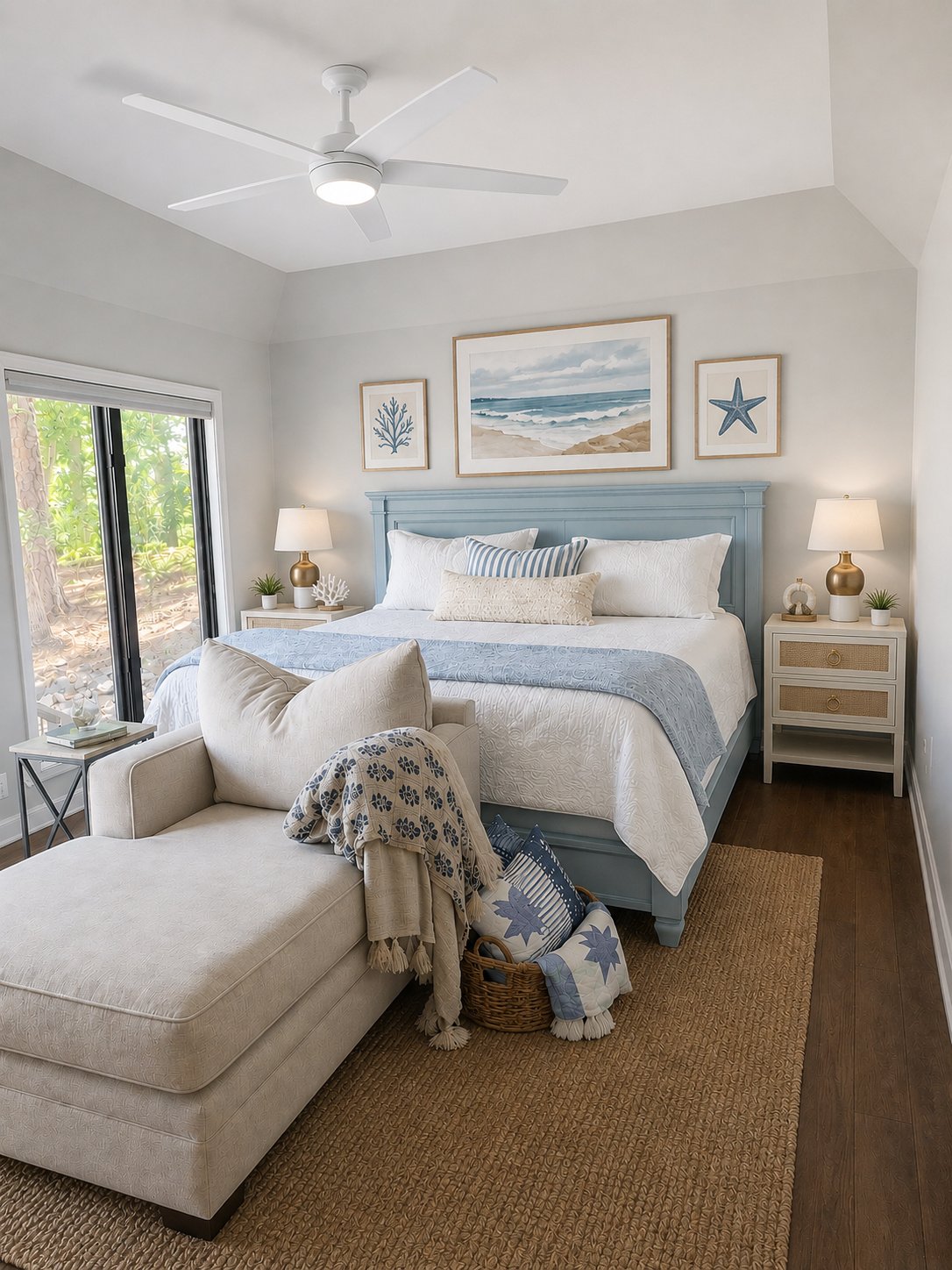
Beautiful finishes can make a great first impression, but a home also needs to work for the way you live. Look beyond what catches your eye and pay attention to the things you'll still care about long after move-in day.
Pay More Attention to the Things That Are Hard to Change
When you’re comparing homes, it helps to think about what you can reasonably change later and what you’ll essentially be buying as-is.
Paint colors are an easy example. You may hate the dark blue dining room, but that’s a relatively straightforward problem to solve. Light fixtures, cabinet hardware and landscaping can also be changed over time. Even larger cosmetic projects like flooring or countertops are possible if they fit your budget.
Other features are much more difficult, expensive or sometimes impossible to change. You can’t move the house to a different location. You can’t make the lot significantly larger. Adding square footage or completely changing a floor plan can involve major construction, and it may not be feasible at all depending on the property.
This is why I don't want buyers to automatically dismiss a home because the seller's taste is different from theirs. If the house has the right number of bedrooms, a layout that makes sense, the amount of space you need and the type of property you're looking for, it's worth asking whether the things you dislike are actually dealbreakers or simply projects.
At the same time, don't talk yourself into accepting something important just because the kitchen is beautiful. If you know you need a home office, for example, gorgeous countertops aren't going to make you feel better when you're working from the dining table every day.
Think About an Ordinary Tuesday
One of the best ways to evaluate a house is to stop imagining the exciting moments and picture a completely ordinary day instead.
When you're touring a home, it's natural to picture holidays around the dining table or friends gathered in the backyard. But most of your time in that house won't look like that. It'll be Tuesday morning when everyone is trying to get out the door.
Think about where you would enter the house most days and where you'd put your shoes, bags and keys. Imagine carrying groceries from the car to the kitchen. Look at where the laundry room is in relation to the bedrooms. Think about whether there is enough storage for the things you use regularly rather than just noticing how large the closets look.
Furniture is another practical consideration that's easy to overlook when a home has been professionally staged. A room can look enormous with the seller's furniture and feel very different once your sectional, dining table or king-size bed moves in. Doorways, windows and the placement of closets can also limit the usable wall space in a room.
None of these things are particularly exciting to think about during a showing, but they're exactly the kinds of things you'll interact with every day once you live there.
Shop for the Life You Actually Have
Another trap buyers can fall into is choosing a house for the life they imagine rather than the one they actually live.
A huge backyard might look amazing in listing photos, but if you don't enjoy yard work and rarely spend much time outside, maintaining it may eventually feel more like an obligation than a benefit. A formal dining room might be beautiful, but if your family eats at the kitchen island almost every night, you may prefer having that square footage somewhere else.
The same applies to size. More house isn't automatically better. Additional square footage can mean more space to furnish, clean, heat, cool and maintain. If those extra rooms don't serve a real purpose for your household, you may find that a smaller home with a thoughtful layout actually works better.
Before you begin your home search, think about what you genuinely like and dislike about where you live now. Maybe you desperately need more storage. Maybe everyone always ends up in the kitchen, so having enough room there matters more to you than having a formal living room. Maybe your current laundry setup drives you crazy. Those everyday frustrations can tell you quite a bit about what you should prioritize in your next home.
And don't be surprised if those priorities evolve once you start looking. It's one thing to create a list of must-haves at home and another to walk through actual houses and see the trade-offs in person. You may discover that the huge primary closet you thought was essential matters less than having a better kitchen. You may decide you'd happily accept a smaller bedroom in exchange for a better overall floor plan.
That's not settling. That's learning what matters to you.
Don't Confuse Potential With a Project You Don't Want
There is one important caveat to all of this: being able to look beyond cosmetic finishes doesn't mean you should buy a project you don't want.
Sometimes people hear, "You can always change that later," so many times during the home-buying process that they start overlooking the reality of what those changes will cost in time, money and energy.
If you're considering a home where you already know you'd want to replace all the flooring, repaint every room, update the kitchen and renovate the bathrooms, add those projects up realistically. You may be capable of doing all of them eventually, but that doesn't necessarily mean you want to.
This is especially important because buying and moving already come with expenses. Having a long renovation wish list waiting for you immediately after closing can feel very different once you're actually paying for it.
There's a middle ground between refusing to consider anything that isn't perfectly updated and convincing yourself that you'll happily renovate an entire house.
Knowing which type of buyer you are can make your search much easier.
Choose the House, Not Just the Presentation
The goal isn't to find the house that impresses you the most during a 30-minute showing. It's to find the home that will work well when the showing is a distant memory and you're simply living your life there.
Of course, I want my buyers to be excited. Finding a house you love is one of the best parts of the process. I'm going to admire the gorgeous kitchen with you and appreciate the beautiful finishes right alongside you.
But I'm also going to help you look past them.
We'll talk about whether the layout works for the way you live, whether your furniture will fit, whether the storage makes sense and whether the features you love are things that will still matter to you years from now. We'll also talk about the things you don't love and decide whether they're true dealbreakers or simply changes you could make over time.
Sometimes the right home is the one that takes your breath away the second you walk through the door.
And sometimes it's the one that doesn't photograph quite as beautifully, but the longer you stand in it, the more you realize how well it fits your life.
That's why buying a home isn't just about finding the prettiest house.
It's about finding the right one.
