What “Resale Value” Really Means When Buying a Home
Resale value comes up early and often in home buying conversations.
Buyers hear it from family, friends, articles, and social media. “Think about resale.” “You’ll want something that holds its value.” “Make sure it’s a good investment.” The advice is well-intentioned, but it’s also vague. And for many buyers, it creates pressure without clarity.
Resale value matters, but not always in the way people expect.
Resale Value Is About Flexibility, Not Predictions
A common misconception is that resale value means predicting exactly what a home will be worth years from now. In reality, no one can control future markets, interest rates, or buyer demand.
What buyers can evaluate is flexibility. Homes that appeal to a wide range of future buyers tend to offer more options later. That doesn’t mean avoiding personality or character. It means understanding which features are broadly functional and which ones are more specific to individual taste.
Function Often Matters More Than Trends
Trends change quickly. What feels popular now may not matter at all in a few years. Buyers who focus solely on what’s “in” often miss what lasts.
Layouts that function well, spaces that adapt over time, and features that support everyday living tend to matter longer than finishes alone. Resale value is often tied to how easily a home can work for different needs, not how closely it follows current design trends.
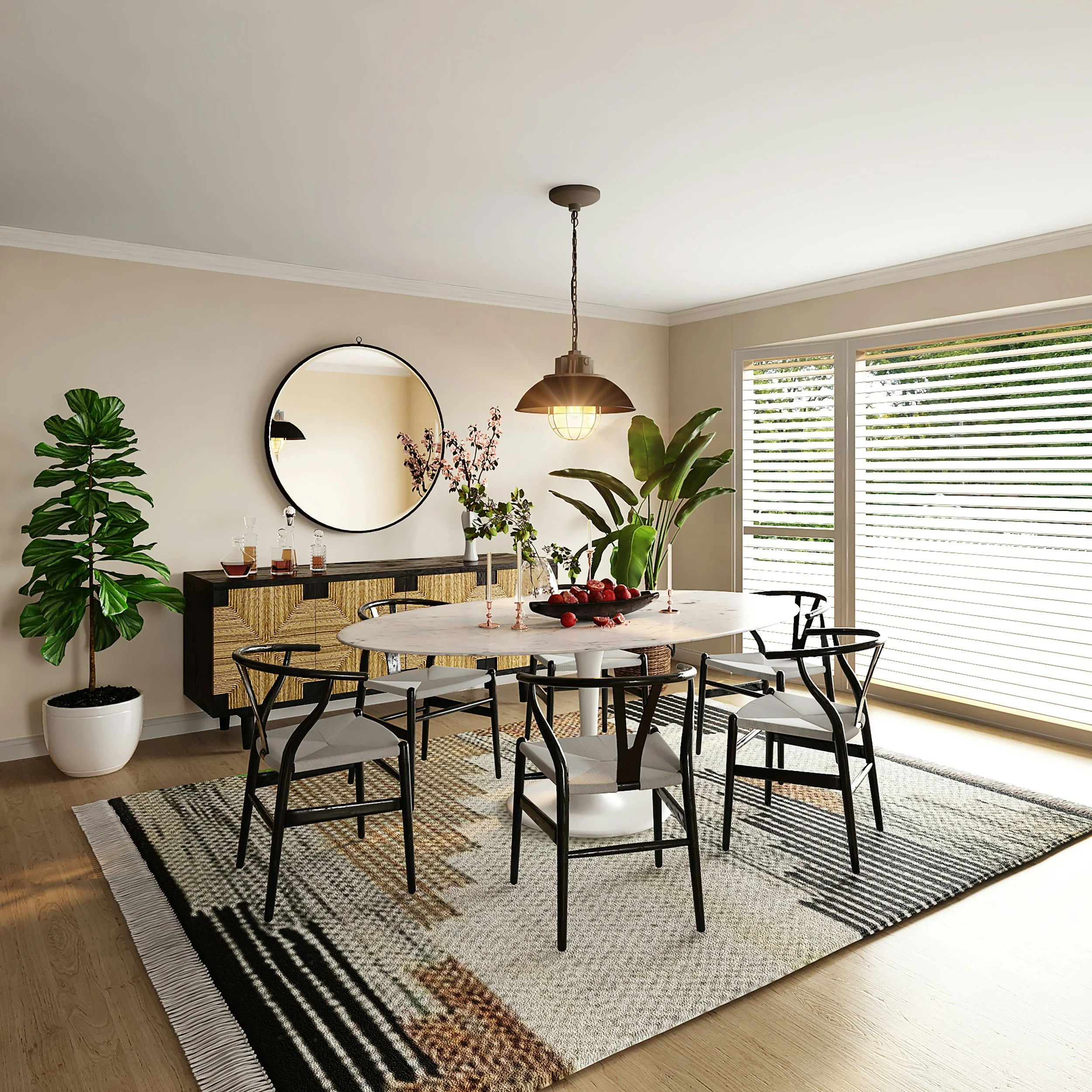
Resale value isn’t about predicting the future. It’s about understanding flexibility.
Condition Plays a Bigger Role Than Buyers Expect
A well-maintained home often holds appeal regardless of style. Buyers tend to respond to homes that feel cared for, even if finishes aren’t brand new.
Deferred maintenance, on the other hand, can impact future options more than buyers realize. Resale value isn’t just about what a home has. It’s about how it’s been maintained over time.
Personal Needs Still Matter at Purchase Time
One of the biggest sources of stress around resale value is the fear of choosing the “wrong” home. Buyers worry that prioritizing their current needs could limit future appeal.
The reality is that most buyers don’t live in their homes forever. Needs change. Life changes. Buying a home that works well now doesn’t mean ignoring resale. It means balancing current priorities with long-term flexibility.
Resale Value Isn’t a Single Feature
There’s no one feature that guarantees resale value. It’s a combination of factors that work together over time. Layout, condition, adaptability, and how the home functions day to day all contribute.
Buyers who feel confident later aren’t the ones who chased a perfect formula. They’re the ones who understood what mattered to them and made a decision with awareness, not fear.
Confidence Comes From Understanding the Bigger Picture
Resale value is part of the conversation, not the whole conversation. When buyers understand what resale value really reflects, it becomes less intimidating and more practical.
Buying a home isn’t about predicting the future perfectly. It’s about choosing something that works well now, adapts over time, and gives you options when life changes again.
That perspective tends to lead to calmer, more confident decisions.
