What Your Current Home Can Teach You About Your Next One
When you're getting ready to buy a home, it's natural to start thinking about everything you want next. Maybe you'd love a bigger kitchen, an extra bedroom, more land, better storage or a completely different floor plan. Before you build that wish list, though, there's another place I think you should look first: the home you're living in right now.
Whether you love your current home, have completely outgrown it or can't wait to hand over the keys, living there has taught you something. You've had the chance to experience a floor plan over time, figure out which spaces you actually use and discover which little inconveniences bother you more than you ever expected. That information can be incredibly useful when you start looking for your next home.
Instead of building your wish list entirely around what looks appealing online, take some time to think about what your current home has taught you about the way you actually live. You may already know much more about your ideal next home than you realize.
Start With What’s Working
When people are ready to move, we tend to focus on what's wrong with the current house. Maybe there isn't enough space, the kitchen feels cramped, the yard requires too much maintenance or you've been wishing for another bathroom for years. Those frustrations are important, but don't forget to pay attention to the things your current home gets right.
Think about the spaces you use every day without giving them much thought. Maybe you love having the laundry room close to the bedrooms. Perhaps the kitchen opens into the living room, and you've realized how much you enjoy being able to cook while still being part of what's happening with everyone else. You might love having a covered back porch, a garage that leads directly into the kitchen or a primary bedroom that's separated from the other bedrooms.
These aren't necessarily the features that make it onto an inspiration board, but they're often the ones you miss once they're gone.
I've found that buyers sometimes don't realize how much they value a feature until we're standing in a house that doesn't have it. Suddenly, the pantry they barely thought about in their current home feels very important when they're looking at a kitchen with nowhere to store groceries.
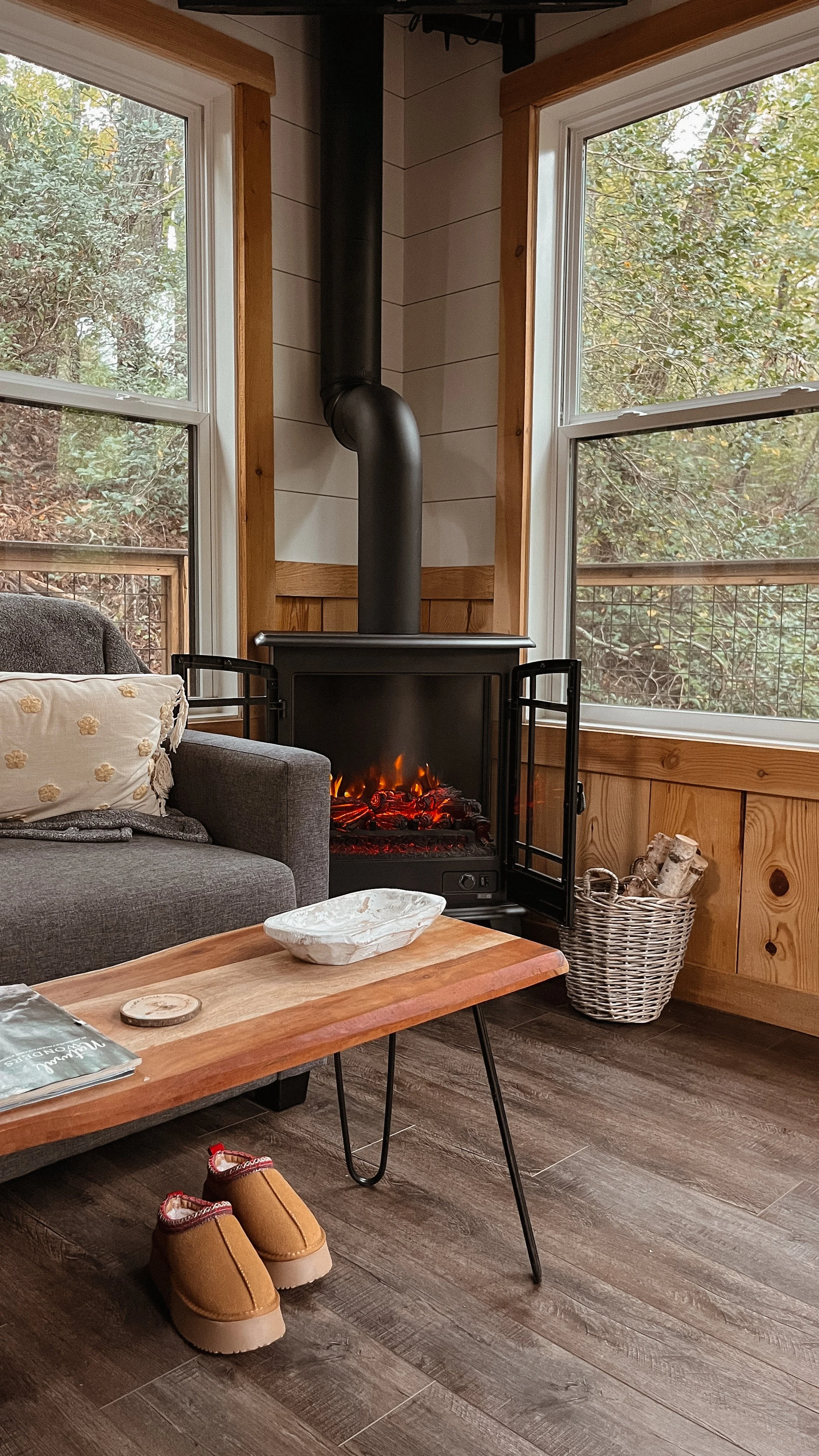
Your current home has probably taught you more about what you need than you realize. Pay attention to what works, what frustrates you and the little things that make everyday life easier — then take those lessons with you into your next home search.
Before you start searching, make a mental note of the things about your current home that make everyday life easier. Those features may deserve a place on your next-home wish list.
Pay Attention to the Things That Consistently Frustrate You
Now we can talk about the things you won't miss.
Every home has little inconveniences, and after living somewhere for a while, you've probably developed workarounds without even realizing it. Maybe everyone piles shoes beside the front door because there's nowhere else to put them. Perhaps you store kitchen appliances in another room because you don't have enough cabinet space. Maybe your dining room has slowly become an office because there's no dedicated place to work.
Those workarounds can tell you a lot.
Instead of simply saying you want "more storage" in your next house, get specific about where you're lacking it. If your bedroom closets are perfectly adequate but your kitchen is constantly overflowing, a large pantry may matter more than walk-in closets. If everyone is fighting over the bathroom in the morning, an additional bathroom may improve your life more than an extra hundred square feet of living space.
The same is true for layout. Maybe your house has enough square footage, but it's in all the wrong places. You may have a formal living room nobody uses while the family room feels crowded every night. In that case, you may not actually need a much larger home. You might simply need one that uses its space differently.
The more specific you can be about what's frustrating you now, the easier it becomes to recognize a home that solves those problems.
Look at How You Really Use Your Space
One of the easiest mistakes to make during a home search is choosing features for the lifestyle you imagine instead of the one you actually have. Your current home gives you a pretty good reality check.
Look around and notice where people spend their time. If your family gathers in the kitchen every evening, that tells you something about how important the kitchen and main living area may be in your next home. If you have a formal dining room that's used twice a year, you may not need to prioritize another one simply because it seems like something a house is supposed to have.
The same applies outside. Maybe you once thought you'd spend every weekend gardening, but you've learned that you'd much rather have a smaller, easy-to-maintain yard. Or perhaps your current outdoor space is tiny and you've discovered that having more room outside really would change the way your family spends time at home.
This is where I think buyers can learn a lot by separating what sounds nice from what has proven useful. There are plenty of beautiful features that might catch your attention during a showing, but the best features are usually the ones that support things you already enjoy doing.
You don't have to recreate your current home, of course. The whole point may be to find something completely different. But knowing how you naturally use a home gives you a much better foundation for deciding what "different" should actually look like.
Think About What Has Changed Since You Moved In
Your current home isn't just teaching you about the house. It's also showing you how your life has changed.
Maybe you bought the home before you had children and now every bedroom has a purpose. Perhaps you started working from home and suddenly discovered that a dedicated office isn't a luxury for you anymore. Your kids may be older and need different kinds of space, or you may be entering a season where you want less house and less maintenance rather than more.
Sometimes buyers assume the next house needs to be a bigger version of the current one, but that isn't always the answer. Your next home should reflect where you're going, not simply correct everything you dislike about where you are.
For example, if you're moving because you've outgrown a three-bedroom home, the obvious answer might seem to be buying five bedrooms. But perhaps what you actually need is four bedrooms with better storage and a second living area. If your current yard feels overwhelming to maintain, moving to another house with even more land simply because you love the property during a showing probably isn't going to solve that frustration.
This is why I like looking at the bigger picture with buyers. We're not just asking what the next house should have. We're asking how your household has changed and what kind of home makes sense for this next season.
Build Your Wish List From Real Life
Once you've thought about what's working, what's frustrating you and how your life has changed, your wish list starts becoming much more useful.
Instead of a long list of features pulled from listing photos or homes you've seen online, you can begin organizing your priorities around actual experience. You may realize that a huge primary bathroom isn't particularly important, but having a linen closet nearby absolutely is. You might decide you'd trade a formal dining room for a larger pantry without hesitation. Maybe you don't need another 500 square feet at all; you just need a floor plan that puts those square feet in better places.
This also makes compromise easier once we start touring homes. Very few houses will have everything on your list, so at some point we'll probably have to decide which features matter most. When your priorities are based on how you genuinely live, those decisions become much clearer.
It's much easier to say, "I can live without the oversized closet," when you know the larger kitchen solves a frustration you've dealt with every single day for the last five years.
That's the kind of trade-off that makes sense.
Your Current Home Is Part of the Research
We spend a lot of time researching when we buy a house. We scroll through listings, compare properties, look at photos and floor plans, talk with lenders and tour homes. But some of the most useful information is already sitting all around you.
Your current home has given you the chance to test-drive certain features for years. You know whether you enjoy maintaining a large yard. You know whether an open floor plan works for your household. You know whether you use that formal dining room, whether you need more storage and whether carrying laundry up and down the stairs drives you crazy.
Use that information.
Before you start focusing on what you want your next home to look like, think about what you want it to do differently.
What do you want to make easier? What do you want more of? What are you perfectly happy having less of? And what does your current home do so well that you wouldn't want to give it up?
Your answers may not produce the most glamorous wish list, but they'll produce a useful one.
And when we start walking through homes together, that's what I want us carrying with us: not just a picture of your dream house, but a real understanding of the kind of home that will make your everyday life work better.
