Stop Searching for Your “Forever Home”
There’s a phrase we use all the time in real estate: the “forever home.” It usually means the house that finally has everything. It has enough bedrooms for the family you have now and whatever your family might look like later, the right amount of land, a kitchen you love, plenty of storage, room for guests, and a floor plan that will somehow continue working through every stage of life. It sounds wonderful, but it can also put an incredible amount of pressure on a home-buying decision.
When you start looking for a house that needs to work for every possible version of your life for the next twenty or thirty years, it becomes very easy to feel like nothing is quite good enough. A house may work beautifully for your life right now and for the future you can reasonably anticipate, but suddenly you're wondering whether you need an extra bedroom for grandchildren who don't exist yet or whether the layout will still work when you're decades older. Planning ahead is smart, and I absolutely want buyers thinking beyond next Tuesday when they're making a major financial decision. But I don't think every home has to be your forever home to be the right home.
Sometimes, you just need to find the home that makes sense for the life you're actually living and the future you can reasonably see from here.
You Can't Predict Every Version of Your Future
Most of us aren't very good at predicting what our lives will look like ten or twenty years from now. Think about where you were ten years ago. Did you know exactly where you'd be living today? Did you know what your job would look like, what your household would look like or what your priorities would be? Even when we have a general idea of where we're headed, life has a way of changing the details.
Jobs change. Families grow and change. People relocate. Kids leave home. Parents get older. Financial priorities shift. Sometimes we discover that the lifestyle we thought we'd want forever isn't actually what we want anymore. The home that works beautifully when you have children living at home may feel like far more space than you want to maintain once they're grown. The large backyard you love during one season of life may eventually become something you'd rather not spend your weekends taking care of.
That doesn't mean you shouldn't consider the future when you're buying a home. If you know you're planning to grow your family soon, that matters. If you work remotely and expect that to continue, having a functional workspace may be important. If you anticipate caring for a family member, accessibility or additional living space may deserve more weight in your search. Those are foreseeable needs, and they're absolutely worth discussing.
What I don't want buyers to do is let every hypothetical possibility control the decision they're making today. There's a difference between planning ahead and trying to predict your entire life.
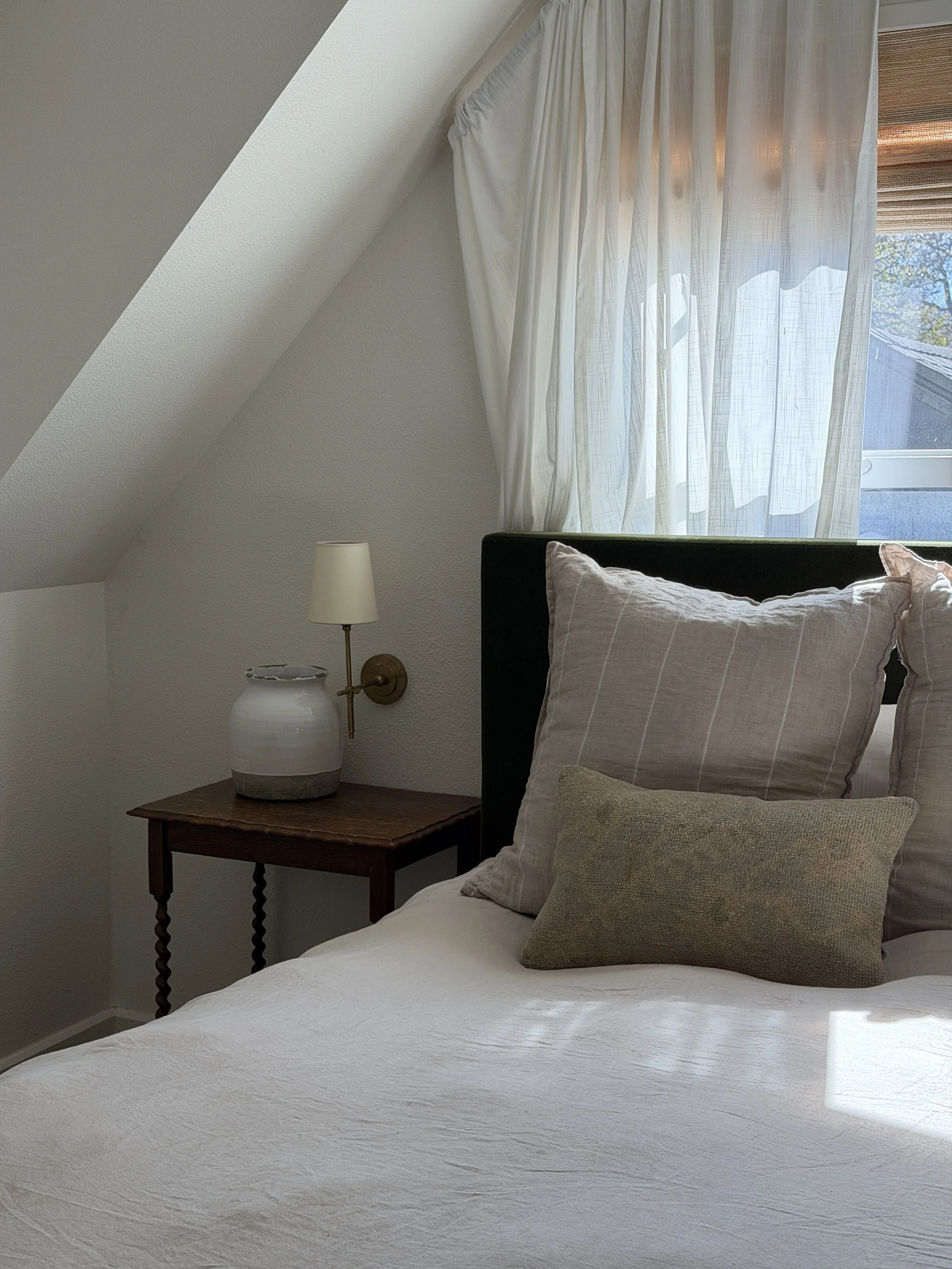
Your next home doesn't have to solve every need you might have twenty years from now. Sometimes the right home is simply the one that fits your life, your plans and your budget in the season you're in — and gives you room to see what comes next.
When “Forever” Makes the Wish List Too Long
One of the problems with searching for a forever home is that suddenly the house needs to do everything. You need enough bedrooms for your current household, plus a guest room because family may visit. You need an office in case someone eventually works from home. You want a large dining room because someday you might host every holiday. Maybe you want more land because you think you'll want more privacy later, or a downstairs bedroom because it could be useful decades from now.
Individually, every request can sound perfectly reasonable. Put them all together, though, and you've created a very specific house that may be difficult to find within the location and budget you want. You may also start overlooking homes that would fit your current life incredibly well because they don't accommodate a future need that may or may not ever happen.
The idea of a forever home can also lead buyers toward more house than they actually need. There's nothing wrong with buying extra space when you know you'll use it, but additional square footage brings additional costs and responsibilities. You're not just buying another bedroom. You're buying another room to furnish, heat, cool, clean and maintain. If you're paying for rooms you'll barely touch for the next fifteen years because you might need them someday, it's worth considering whether that's really the best use of your housing budget.
This is where I think it helps to stop asking whether a home could work forever and start asking whether it works for your life now and for the future you can reasonably anticipate.
Plan Ahead Without Trying to Predict Everything
There isn't one perfect timeline buyers should use when deciding how far into the future to plan. Your circumstances matter too much for a rule like that to be useful. Instead, I like to think about the difference between changes you reasonably expect and possibilities you're simply imagining.
Maybe you're newly married and know you'd like to grow your family. You don't have to know exactly what your household will look like ten years from now to recognize that having a little extra bedroom space could be useful. Maybe your kids are teenagers and you're entering a stage where the house needs to work well while they're home but also make sense once they begin moving out. Or perhaps you're approaching a point where maintaining a huge yard is becoming less appealing, even if you're perfectly capable of doing it today.
Those are thoughtful ways to plan ahead because they're grounded in what you actually know about your life. The goal isn't to ignore the future. It's to stop requiring today's house to solve problems you don't actually have yet.
It's also worth remembering that homes can change along with us. A playroom can become a homework space and eventually an office. A bedroom can become a guest room. A formal dining room may turn into a place for hobbies or another purpose entirely. You may renovate, rearrange rooms or use the house differently as your household changes.
And sometimes, your life changes enough that the house no longer makes sense at all. Moving at that point doesn't mean you made the wrong decision when you bought it.
A Home Can Be Right Without Being Forever
I think this is one of the most important mindset shifts buyers can make. There's sometimes an idea that the ultimate goal of buying a home is to find one you'll never need to leave, and if you move five, seven or ten years later, the original home somehow wasn't "the one."
But a home can be exactly right for a particular season and still not be the home you live in forever. The house where you brought your babies home can be the right house even if you eventually outgrow it. The first home you buy after relocating can be a wonderful decision even if another move happens years later. A smaller home that allows you to stay comfortable financially can be the smart choice today even if you eventually decide you want more space.
Selling later doesn't erase the years a home served you well.
Of course, buying and selling real estate comes with real costs, so I would never suggest purchasing a home with the assumption that you can simply move again in a year or two if you change your mind. A home purchase deserves careful thought. But there's a big difference between taking the decision seriously and expecting it to solve the next thirty years of your life.
Sometimes removing the word "forever" makes it much easier to recognize a really good home when you find one.
Don't Stretch Today's Budget for Tomorrow's Maybe
This may be the part of the forever-home conversation that matters most to me.
When buyers start trying to accommodate every future possibility, the price can start climbing. The extra bedroom costs more. The larger lot costs more. The additional living space costs more. Maybe the home with all of those features pushes you toward the very top of the amount you're comfortable spending because you've convinced yourself that buying everything now means you'll never have to move again.
But there is no way to guarantee that.
Even if you buy the house that checks every box today, life could change in a way you never anticipated. A job opportunity could take you somewhere else. Your household could change. Your financial priorities could shift. You may simply discover ten years from now that you want a completely different lifestyle.
That's why I would much rather see a buyer choose a home that comfortably fits their finances and their real needs than stretch themselves thin trying to purchase an imagined future. Your home is an important part of your life, but it shouldn't necessarily consume every available dollar in it. You may still want to save, travel, handle unexpected repairs comfortably, enjoy dinners out, pay for kids' activities, invest for retirement or simply have enough breathing room that every unexpected expense doesn't feel like a crisis.
Being approved to spend a certain amount doesn't mean you have to spend it. Sometimes a slightly smaller home or one with fewer extras can actually give you more freedom outside of the house, and that's worth including in the conversation about what makes a home a good fit.
Give Yourself Permission to Choose What Fits
When I say you don't necessarily need a forever home, I'm not suggesting you should buy only for today. I don't want you buying a house you already know you'll outgrow next year or ignoring a foreseeable need just because a property is beautiful. A home is a major purchase, and planning ahead matters.
What I'm talking about is choosing a home that fits you now and gives you enough flexibility for the next chapter you can reasonably anticipate. Maybe that home serves you for five years. Maybe it's fifteen. Maybe you buy it thinking it's a stepping stone and end up staying for thirty. You don't have to know the answer on closing day.
What you do need to know is whether the house makes sense based on the information you have today. Does it give you the space you need? Does the layout work for the way you live? Does the location fit your daily life? Are you comfortable with the financial commitment? Can you see yourself being happy there for the foreseeable future?
If those things are true, I don't want you automatically dismissing a great home because you aren't sure whether it will still be perfect decades from now. Very few decisions in life come with that kind of guarantee.
And here's the funny part: sometimes the home you buy without putting all that pressure on it ends up being the one you never want to leave. You make changes over the years. The rooms evolve with your family. You build memories there, the neighborhood becomes familiar, and what started as a house that simply made sense becomes home in a way you couldn't have predicted during a showing.
That's the part you can't put on a wish list.
So yes, let's think ahead when we search for your next home. Let's talk about your plans, the changes you expect, what matters to you now and what you believe may matter a few years from now. But let's not make a good home compete with an imaginary perfect one.
You don't necessarily need to find your forever home. You need to find a home that fits your life, respects your budget and gives you a place you're genuinely excited to come home to.
And if it turns out to be forever, that's a pretty wonderful bonus.
